


CRAFT · August 2026
Pleats in Fashion: A Guide to Construction, Fabric and Fit
What pleats are, how fabric and placement changes the way they behave, and how we use them across our range.
12 August 2026
Pleats are one of the oldest construction details in clothing. They can be traced back to ancient dress, where pleated skirts and robes were reserved for people of wealth and status.
For most of modern history that same tradition has remained somewhat true, where pleats are often associated with formal clothing that required structure such as uniforms or suiting.
However, nowadays pleats hold the same structure, but their purpose has shifted to better suit modern wardrobes. Relaxed silhouettes and wider cuts have given the pleat a more functional role, where it determines how a garment moves and sits on the body.
In its most simple form, a pleat is when a fabric is stitched or pressed onto itself to create structured volume where the garment would otherwise sit flat. In modern fashion, they are commonly used to add movement and volume to the garment, or introduce visual contrast through the texture of the folds.
The pleat is the same principle wherever it appears, but the effect can change with placement. On trousers it opens from the waistband to add room through the hip. On a skirt it can add both volume and movement. The construction is consistent but can shift to fit a different purpose based on the type of garment.
Pleating was historically slow and labour-intensive, which kept it limited to tailoring and formalwear where the cost was justified. Developments in technology have since made the process faster, more precise, and opened up methods that were not practical before. That is a large part of why pleats now appear in more casual silhouettes such as shorts or workwear.
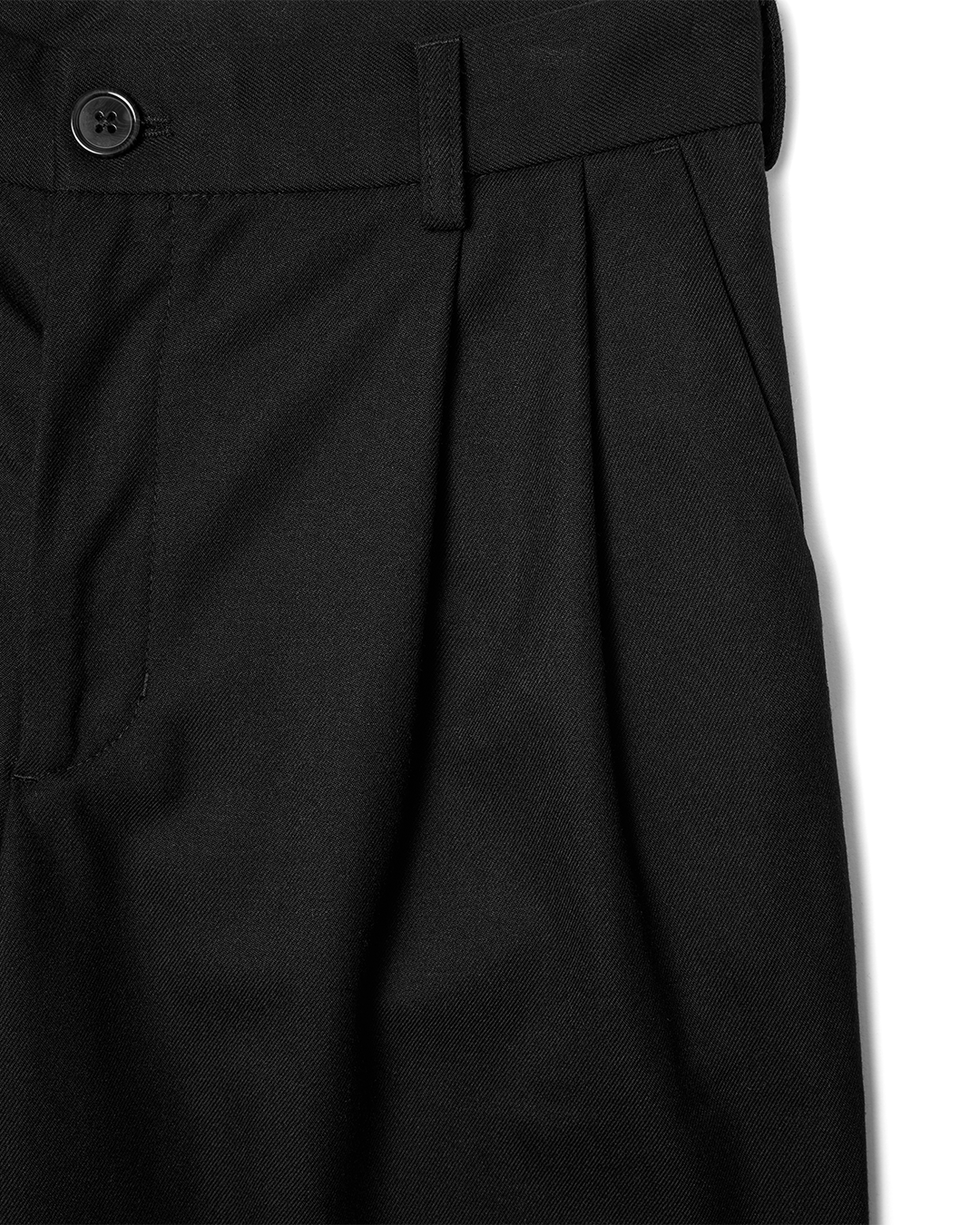
The same pleat can behave differently depending on the fabric. A dense fabric like cotton twill or gabardine holds the folds firmly and keeps its structure throughout the day. More supple fabrics like wool drape naturally, letting pleats fall into a cleaner line that moves with the wearer. The fabric cooperates with the fold, making it perfect for formalwear like suiting. Raw denim is the stiffest starting point, where a pleat barely opens at first and relaxes gradually as the fabric starts to break in and mould to the wearer for a more personalised shape.
How many pleats a garment can carry also depends on the fabric. Structured fabrics hold a single fold cleanly but risk looking too bulky the more you add. Fluid fabrics have enough give to let multiple folds release naturally, but this isn’t a hard and fast rule as the placement of the pleats can also influence the shape of the garment.
Where pleats show up most visibly in menswear today is in shorts and trousers, where the number of folds and where they sit on the waistband directly shape the silhouette from the hip down. Across our range we use a number of pleat constructions, paired with different fabrics to suit the silhouettes we are trying to achieve.
Single Pleats
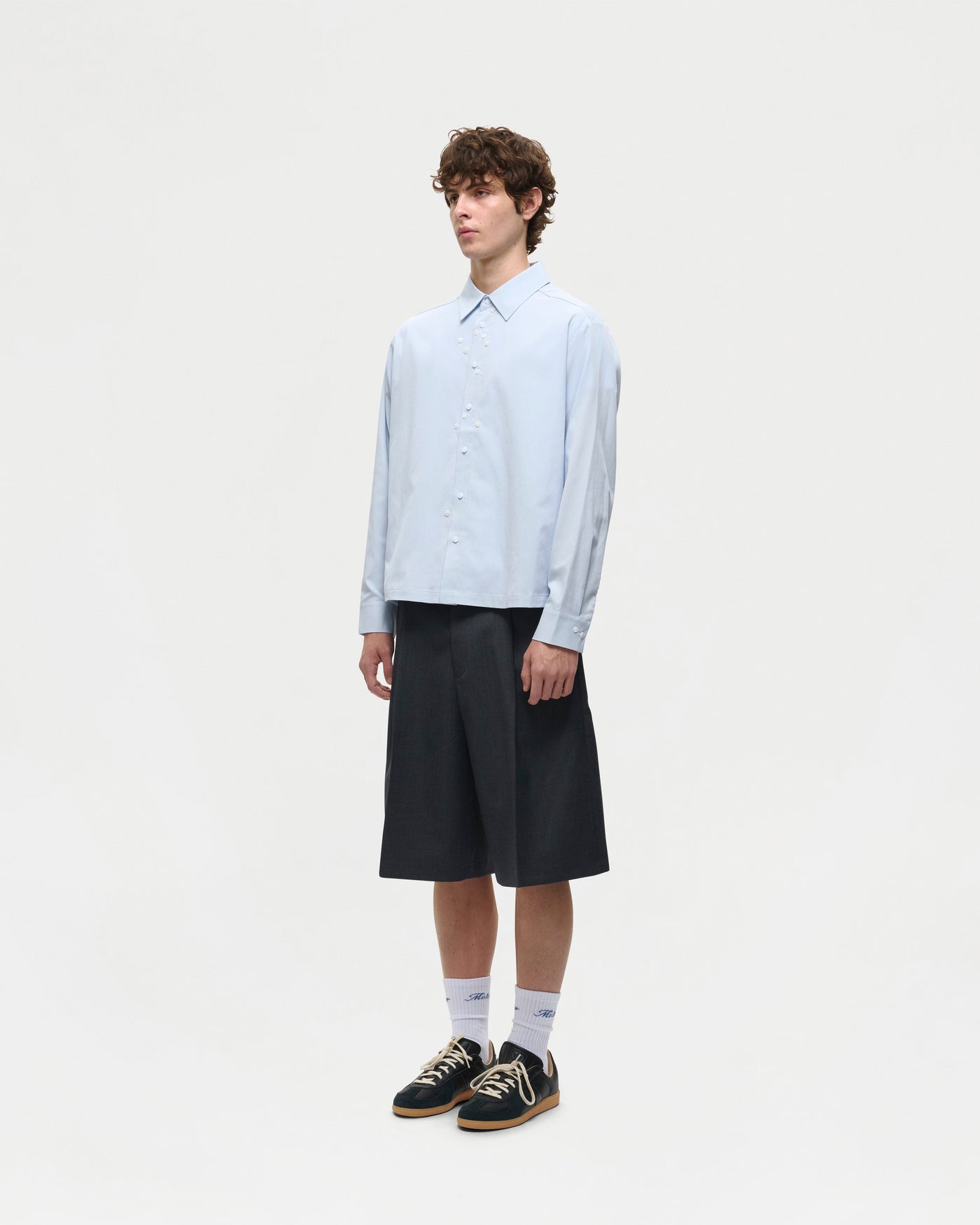
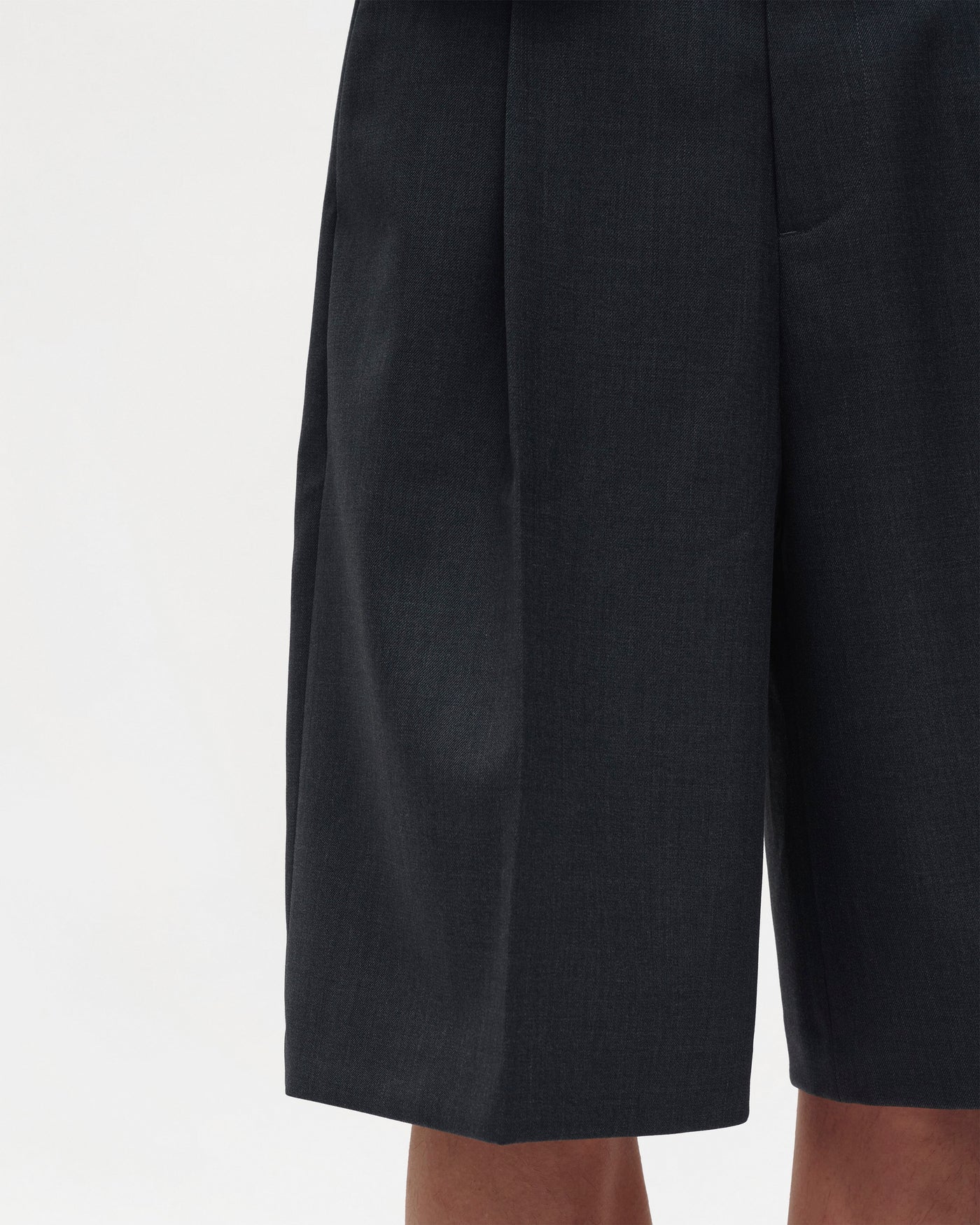
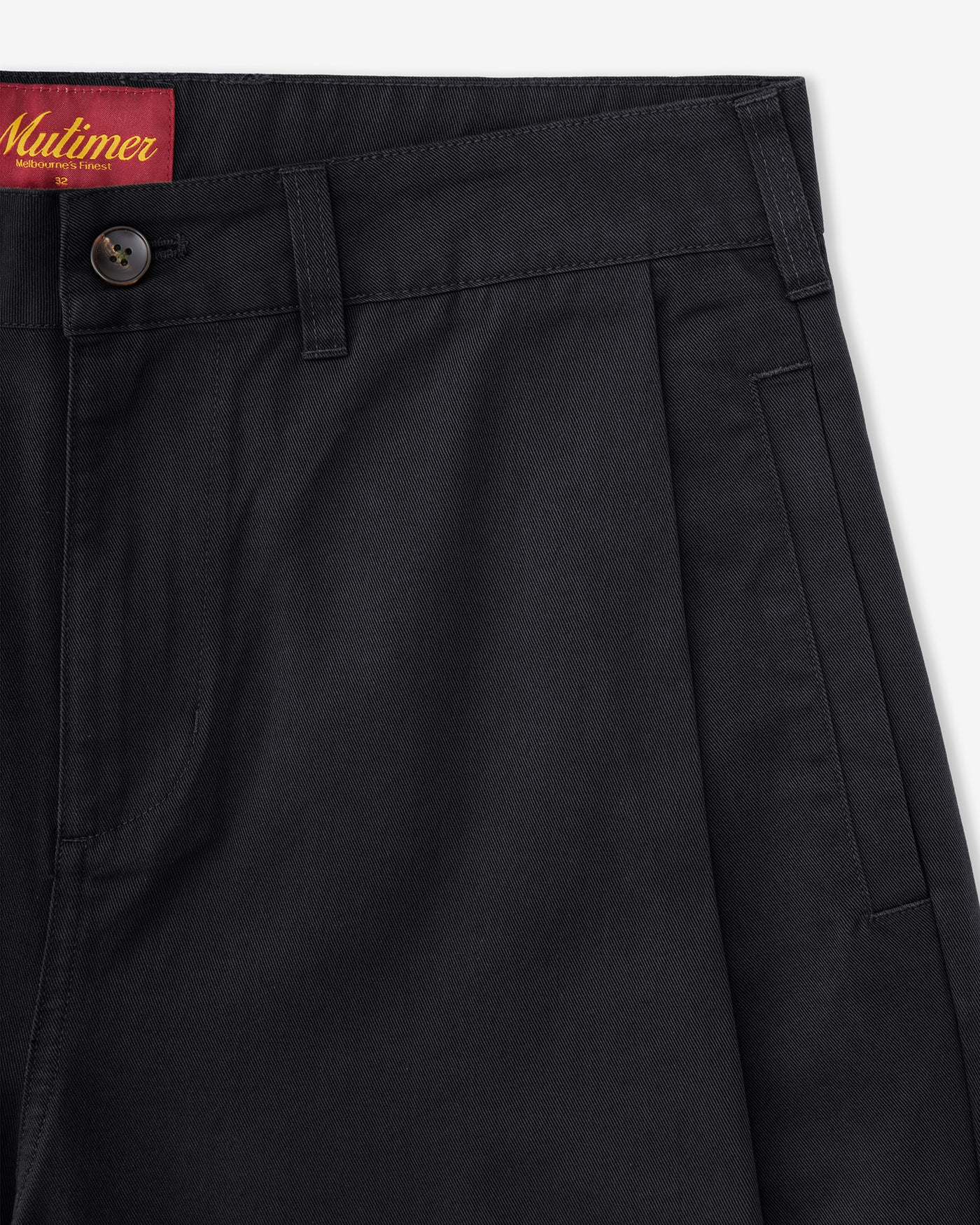
A single fold at the front of the waistband that adds room through the hip without dramatically widening the leg. The front stays more of a flat surface, with the fabric falling back into a clean line below the fold. A single pleat works best in fabrics with natural drape like wool, where the fold releases into the leg rather than adding unwanted bulk.
Our One Pleat Shorts use this construction in a wool blend, cut long below the knee for a wide leg Bermuda-inspired shape. The single fold paired with the drape of the wool gives these a dressier feel while adding structure and room to move, keeping them practical in warmer weather.
Double Pleats
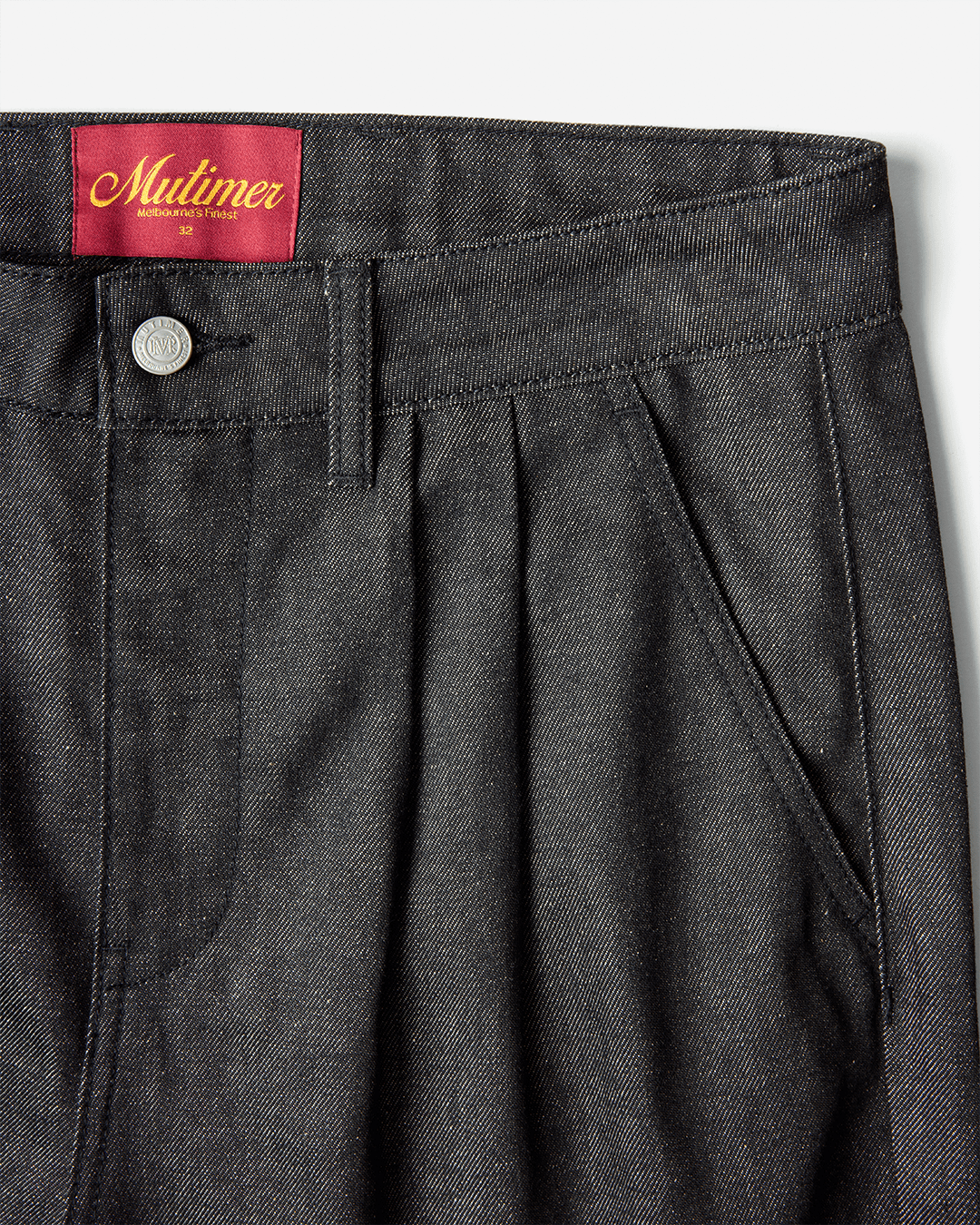
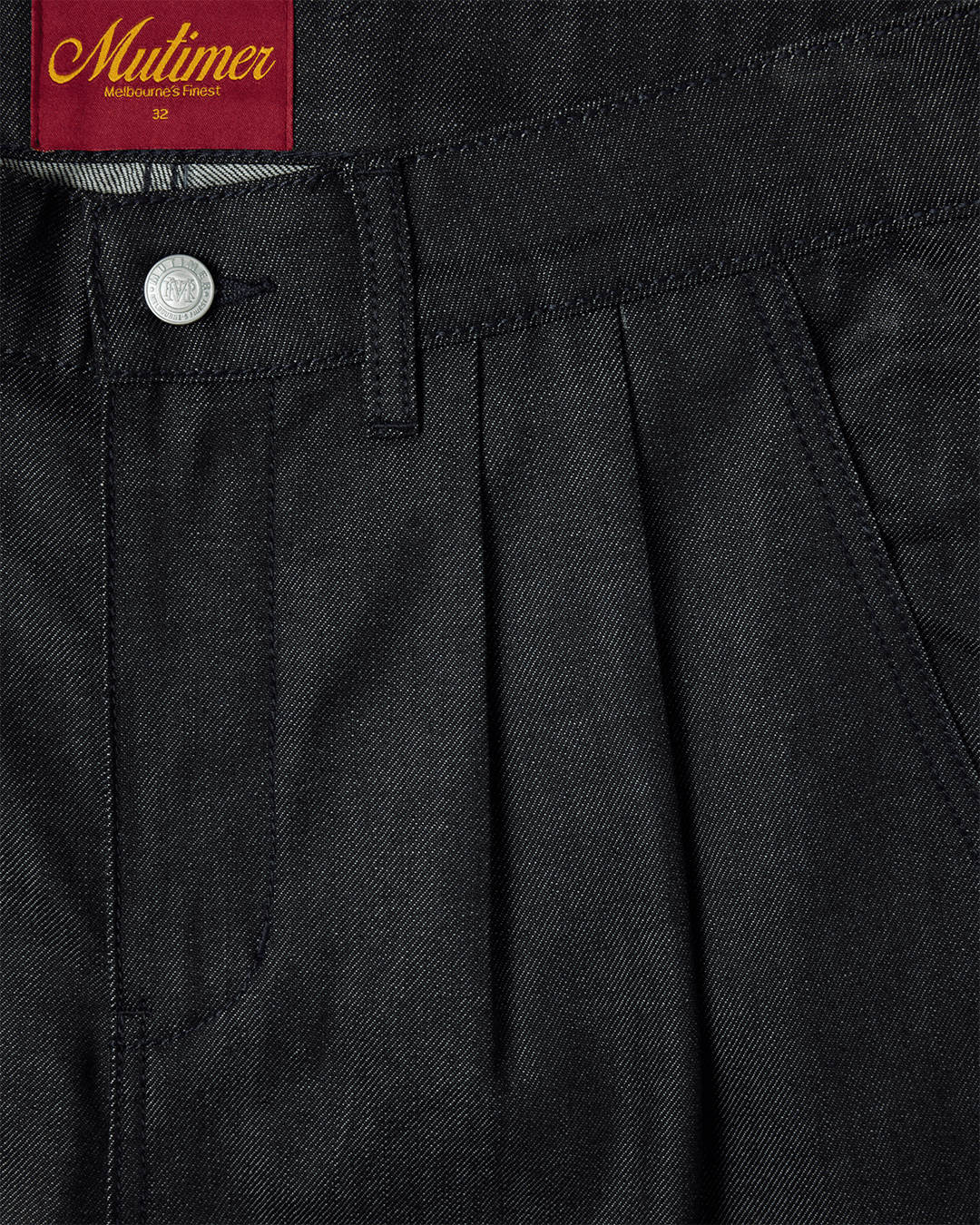
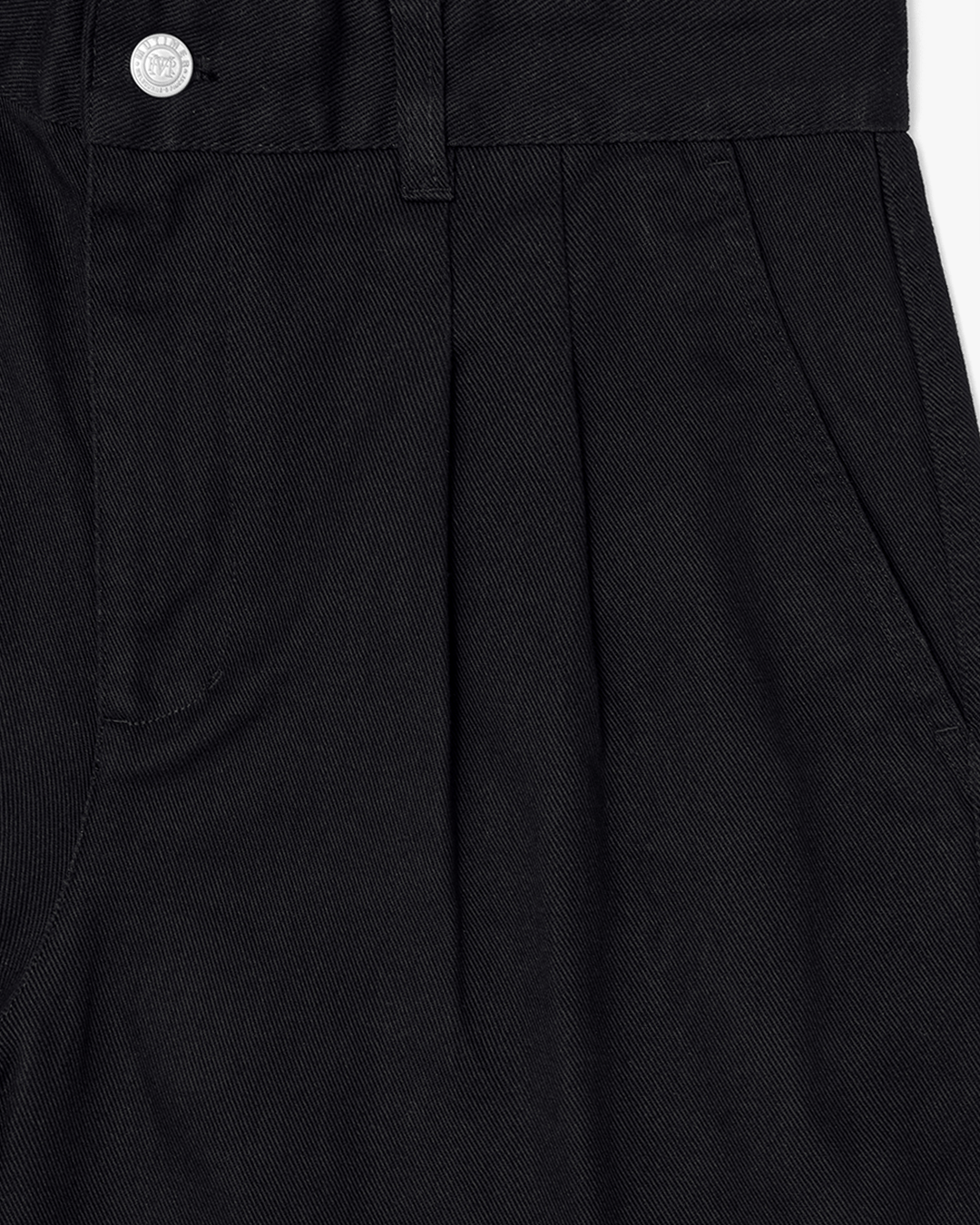
Two folds at the front of the waistband, creating more movement and a wider leg through the release of more fabric. The second fold also helps keep the main pleat closed when standing. Double pleats create the fullest and most relaxed silhouette and work best when the waist sits higher to anchor the extra volume.
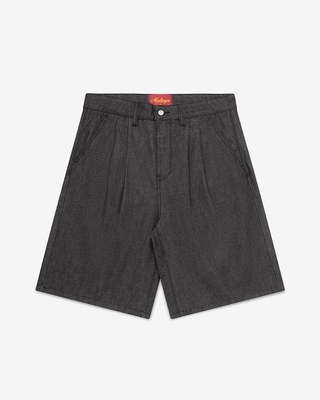
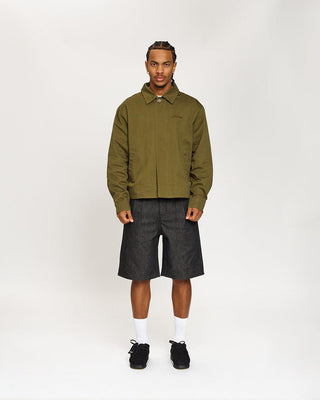
Our Raw Pleated Shorts carry this construction in a custom-milled 12oz unsanforized denim. Unsanforized denim starts stiff, but creates a baggier denim with the pleats as you continue to wear it.
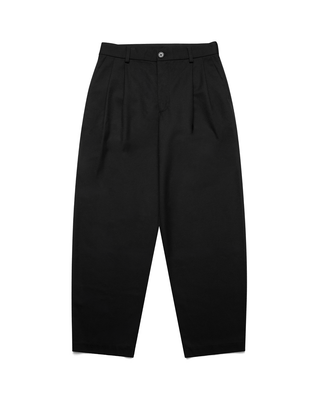
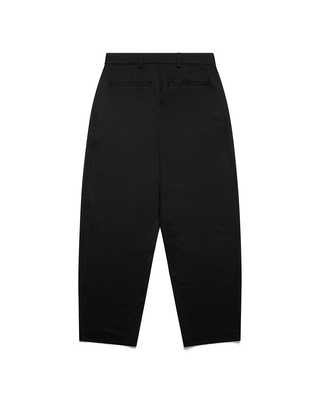
Our Everyday Pleats use the same double pleat on a 350 GSM brushed cotton twill, built in a full-length silhouette. The use of pleats on this weight of cotton adds room and movement to a pleated trouser built for daily wear.
Side Pleats
Instead of folding from the front panel of the garment, side pleats sit at or near the side seam and push volume outward. This creates a bulkier and wider shape that moves differently when you sit or move.
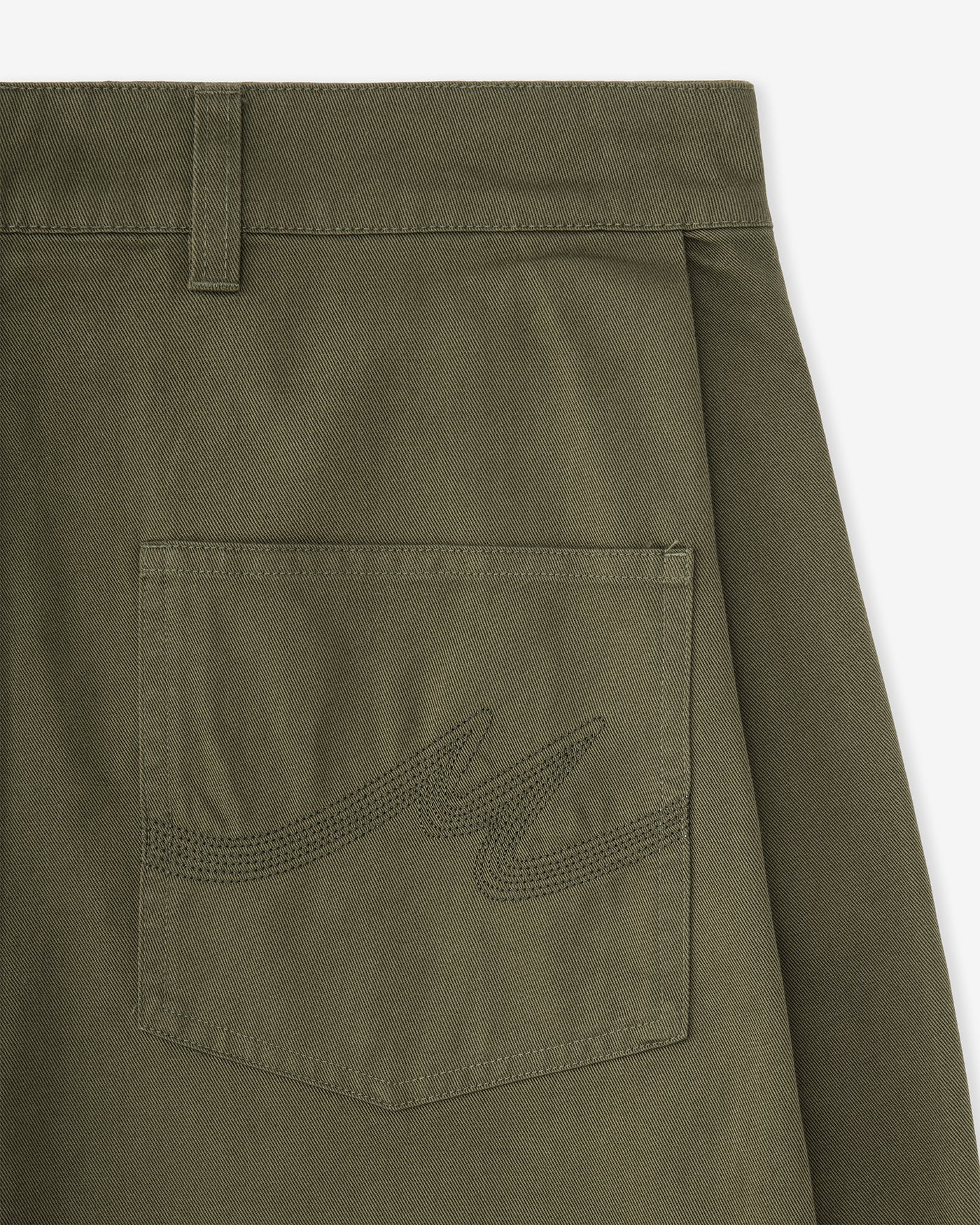
Our Side Pleat Shorts utilise dual side pleats on 100% cotton gabardine, designed to sit below the knee. The side placement paired with the structure of the material creates a more vintage-inspired silhouette and a relaxed feel for a typically rigid fabric.
What are pleats?
A pleat is a fold of fabric stitched or pressed onto itself to create structured volume where the garment would otherwise sit flat.
What are pleats for?
In modern fashion, pleats add movement and volume to a garment, or introduce visual contrast through the texture of the folds. The effect changes with the placement: on trousers a pleat opens from the waistband to add room through the hip, while on a skirt it can add both volume and movement.
What is the difference between single and double pleats?
A single pleat is one fold at the front of the waistband that adds room through the hip without dramatically widening the leg, working best on fabrics with natural drape like wool. Double pleats use two folds, releasing more fabric for movement and a wider leg. They work best when the waist sits higher to anchor the extra volume.
What are side pleats?
Side pleats sit at or near the side seam instead of folding from the front panel, pushing volume outward. This creates a bulkier, wider shape that moves differently when you sit or move.
Which fabrics work best for pleats?
It depends on the effect you want. Dense fabrics like cotton twill or gabardine hold pleats firmly and keep their structure throughout the day. Supple fabrics like wool will drape naturally and let pleats fall into a cleaner line that moves with the wearer. Denim is the stiffest starting point, where the pleat barely opens at first and relaxes as the fabric breaks in.